
My many years of experience working in office spaces have taught me one indisputable lesson: content workers are more efficient and produce better work.
Despite common belief, happiness does not need to be suspended during working hours. Your employee’s work environment has a direct effect on their general wellbeing, as well as their performance. Thankfully, employers are now starting to take this to heart, thus taking steps to ensure employees’ prosperity inside and outside of the office
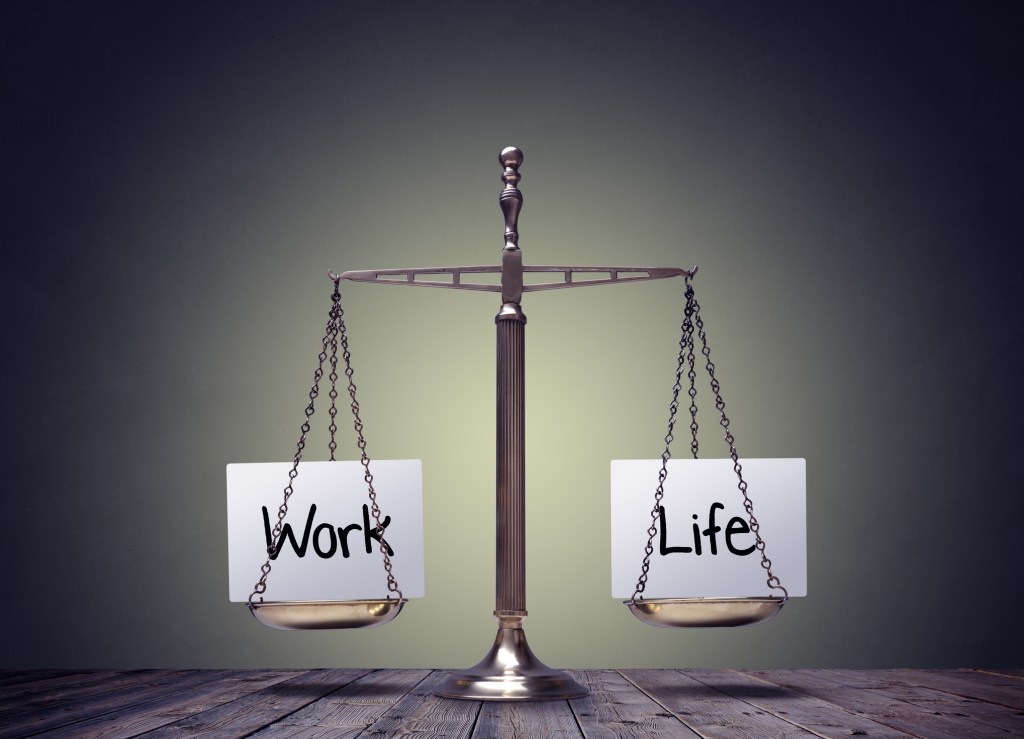
My own experience has proven to me that focusing on morale and mental state affects productivity; this is also supported by actual data from World Health Organization which found that the economy “loses 1 trillion per year in productivity due to depression and anxiety,” and that investing in mental health can bring a return of 4 USD for the company per 1 USD invested in programming. In summary, focusing on employees’ needs and overall wellbeing is a key component in a company’s prospect for success.
While this may sound obvious, in practice maintaining this balance between work and wellness is no easy feat. It takes time and deliberate effort to understand what employees need. The pandemic brought a major shift in work culture, for the first time in decades. Working from home became a common occurrence, allowing companies to thrive while unable to collaborate in person. This new state of existence brought new meanings to our understanding of workplace flexibility, blurring the limits of traditional workdays and posing new challenges to employers.
The Covid-19 pandemic has taught us that the success of a company also relies on the ability of its workers to thrive; in order to retain the precious resource that is humans, companies must shine a spotlight on their needs. Forbes predicts “Seven Pillars of Holistic Employee Well-being” that could contribute to an overall positive workplace culture.

These categories include self-explanatory pillars such as physical, emotional, social, and financial wellbeing, as well as creating a sense of community at work where everyone feels valued and encouraged. Taking a more personal approach and connecting with the employees proves to be just as effective.
While we as a society increase our awareness of mental health and its value, workplaces must follow suit. Improving employees’ wellbeing and mental health begins with workplace initiatives, and the drive to make work enjoyable.
 Marc-Andre Pepin